The International Association for Earthquake Engineering (IAEE) is a non-profit organization that includes representation from the world's national earthquake engineering societies, each national society having a Delegate to the IAEE. The IAEE is responsible for selecting the venue and local organizing society for each of the
World Conferences on Earthquake Engineering. It compiles and updates
Regulations for Seismic Design: A World List, as well as other issue publications as necessary. Its flagship periodical, the journal titled
Earthquake Engineering and Structural Dynamics, has been a leading publication in the field since 1972. The IAEE's fundamental goal is to help improve worldwide seismic safety.
Colleagues, Affiliate Members and Friends of IAEE,
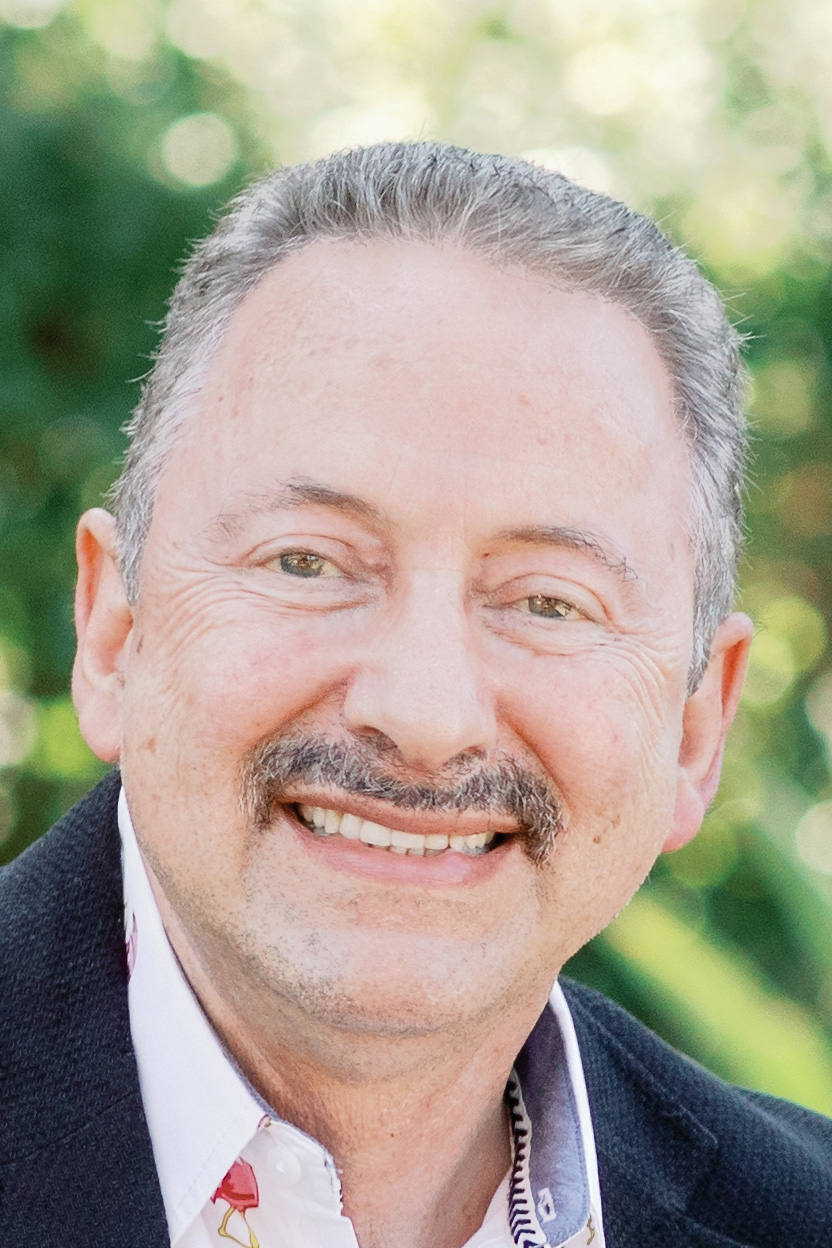
On September 14, 2022, I assumed the position of the sixteenth President of the International Association for Earthquake Engineering (IAEE) from Professor Masayoshi Nakashima. Under the leadership of Professor Nakashima, IAEE made very significant achievements including establishment of the CSI/IAEE Masters Series consisting of publication of monographs written by legendary figures in earthquake engineering, two of which have already been published and distributed at the 17th World Conference on Earthquake Engineering (17WCEE), and meetings with and greeting masters during the world conferences.
The 17WCEE was postponed because of Covid-19 pandemic and was conducted in a hybrid form at Tokyo, Japan with great success in 2021. Now we are looking forward to a great 18th World Conference (18WCEE) in Milan, Italy in 2024 and we look forward to a record participation in it by earthquake engineering professionals from all over the world. Four more CSI/IAEE Read the Masters monographs are in preparation and will be distributed at 18WCEE with corresponding Meet the Masters and Greet the Masters events.
I want to sincerely thank all officers, directors, and staff of IAEE and all 60 national delegates representing their nations and people at IAEE. During its 60 years of existence, IAEE has made a significant positive impact on the state of earthquake engineering worldwide and has brought together the knowledge, talent, and expertise of earthquake engineers worldwide to enable all of us to reduce to the extent that we all can, the disastrous effects of earthquakes worldwide on life and well-being of our fellow human beings. With your help and active participation, we will continue that path and make even more significant contributions to reduction of seismic risk worldwide. I am honored to have been elected to this prestigious position, and I look forward to working with all of you to move IAEE forward along its glorious path.
- Farzad Naeim, President
March, 2023
The Maori god of earthquakes and volcanoes, Ruaumoko, is the symbol of the IAEE. When the Third World Conference on Earthquake Engineering was held in New Zealand in 1965, Karl Steinbrugge, the president of IAEE then, visited the national museum, Te Papa, in Wellington, and saw a wood carving of Ruaumoko. He sought out Chief Maori Carver Charles Tuarau, and had a replica made, which Steinbrugge gave to Professor Robert Park of the University of Canterbury in Christchurch, New Zealand, to keep on behalf of the IAEE. The carving was then taken from its home at the University to each World Conference of Earthquake Engineering and formally presented at the conference opening. That statue went missing in Beijing in 2008, and subsequently a replacement was carved by Master Carver Clive Fugill in 2009.